
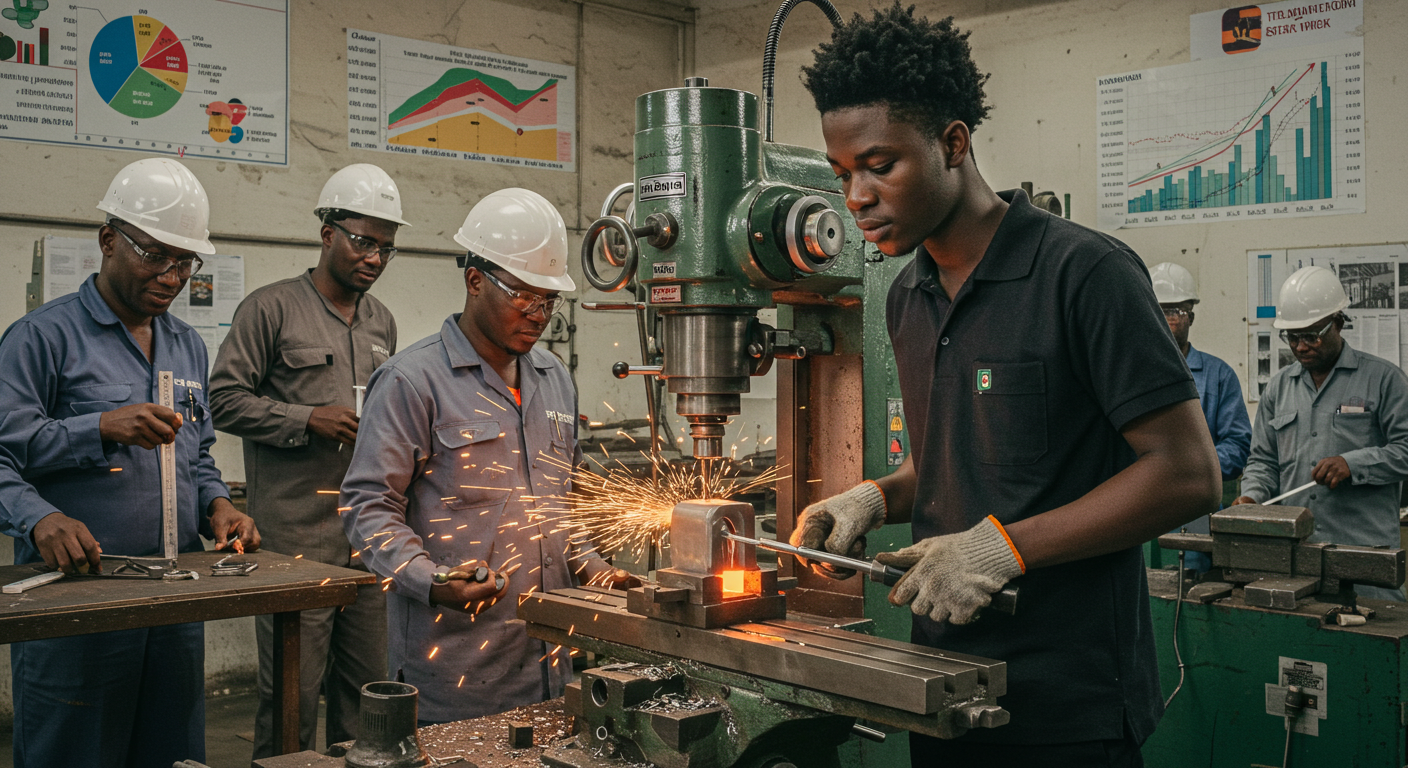
Bridging the Gap Between Classroom Knowledge and Industry Needs
In today’s rapidly changing job landscape, students can no longer rely solely on academic excellence to secure meaningful employment. This is especially true for polytechnic students, who are expected to graduate with hands-on expertise that aligns with industry demands. However, a recurring problem across institutions is the widening gap between classroom instruction and real-world requirements.
While curriculum provides foundational knowledge, employers are increasingly looking for graduates who can adapt, problem-solve, and contribute from day one. Many graduates leave school with impressive grades but find themselves unprepared for the workforce. The reason is clear: theory without application is insufficient.
Bridging the gap requires deliberate efforts from both institutions and students. Here are practical strategies:
- Internships and Industrial Training: These give students first-hand exposure to real-world work cultures. It’s not just about adding experience to your CV—it’s about building confidence and professionalism.
- Project-Based Learning: Class assignments that mirror real industry problems help students think like professionals and prepare for challenges they’ll face in the field.
- Certification Courses: Complementing a diploma with certifications in areas like digital marketing, CAD, data analysis, or programming improves employability.
- Guest Lectures and Industry Workshops: These events bring industry leaders to campus, allowing students to gain insights into what is expected in the professional world.
- Clubs, Competitions, and Innovation Hubs: Platforms like these encourage creativity, teamwork, and initiative—all valuable traits in any workplace.
Ultimately, students must take ownership of their learning journeys. By combining academic diligence with strategic skill development, polytechnic students can transform themselves into work-ready professionals.